How Timing and Weather Affect the Health and Shape of Your Trees
Seasonal changes play a big role in how and when you should schedule tree trimming. The right time depends on the type of tree, the weather, and your goals. Trimming at the wrong time can stress a tree or slow its growth. Done at the right time, it improves health, shape, and safety. Planning your cuts around the seasons helps trees stay strong year after year.
Why Prevention Matters
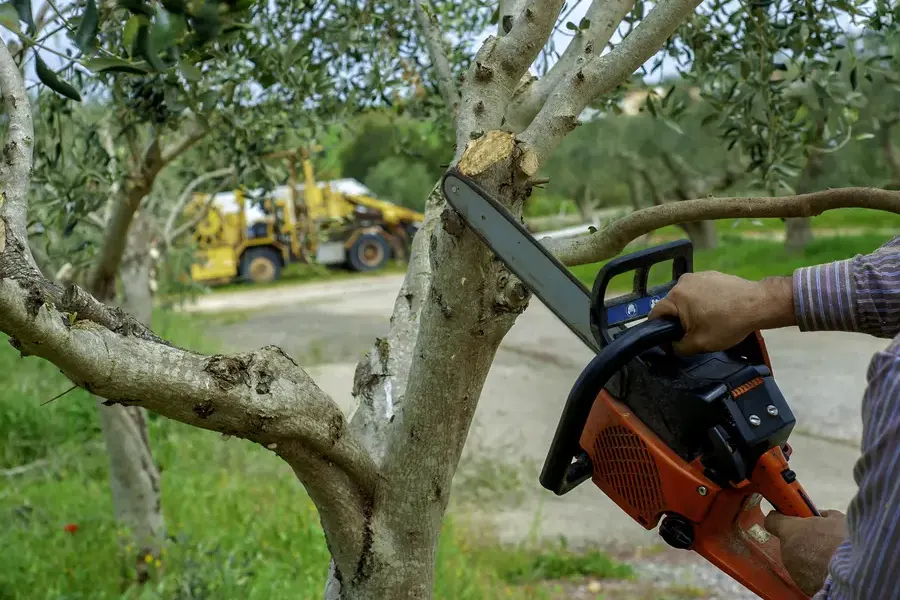
Regular tree trimming is a key part of property care. Trees grow fast during warm months. Without upkeep, branches can become heavy and weak. Over time, this can lead to broken limbs, storm damage, or branches rubbing against your roof.
Seasonal trimming prevents small issues from turning into costly repairs. It also keeps trees balanced. A balanced tree handles wind and rain better than one with uneven growth.
Early Warning Signs
Trees often show clear signs when they need attention. Catching these signs early helps you avoid bigger problems.
- Dead or hanging branches
- Branches touching power lines or your home
- Cracks where large limbs connect to the trunk
- Thick growth blocking sunlight or views
- Limbs that sway too much in light wind
If you see any of these, it may be time for trimming. Acting early is safer and usually less expensive.
Seasonal Checklist for Tree Trimming
Each season has its own purpose when it comes to trimming trees. Here is a simple guide you can follow through the year.
- Winter: Best for major structural pruning. Trees are dormant, which means less stress and better visibility without leaves.
- Spring: Light trimming to remove winter damage. Avoid heavy cuts during early bud growth.
- Summer: Good for shaping and slowing growth. Also helpful for removing weak limbs before storm season.
- Fall: Focus on removing dead or diseased branches. Avoid aggressive cuts before cold weather arrives.
These steps apply to most shade trees. Flowering trees may have different needs depending on when they bloom. A basic landscaping plan often includes seasonal inspections to stay ahead of growth cycles.
Best Practices for Long-Term Results
Tree trimming should improve the tree’s structure, not just make it look neat. Focus on strong branch spacing. Remove crossing branches that rub each other. Cut back limbs that compete with the main trunk.
Always make clean cuts near the branch collar. Avoid leaving long stubs. Stubs can rot and attract pests. Proper spacing between cuts gives the tree room to heal.
Another smart habit is trimming a little at a time. Removing too much at once can shock the tree. A good rule is to avoid cutting more than 25 percent of the canopy in one season.
What Not to Do
Many problems come from over-trimming or poor timing. Avoid these common mistakes:
- Topping the tree, which weakens structure
- Using dull tools that tear bark
- Cutting during extreme heat or freezing cold
- Removing large branches without proper support
Topping may seem like a fast way to reduce height, but it leads to weak regrowth. Those new shoots grow fast and break easily. That creates more work later.
When to Schedule Professional Help
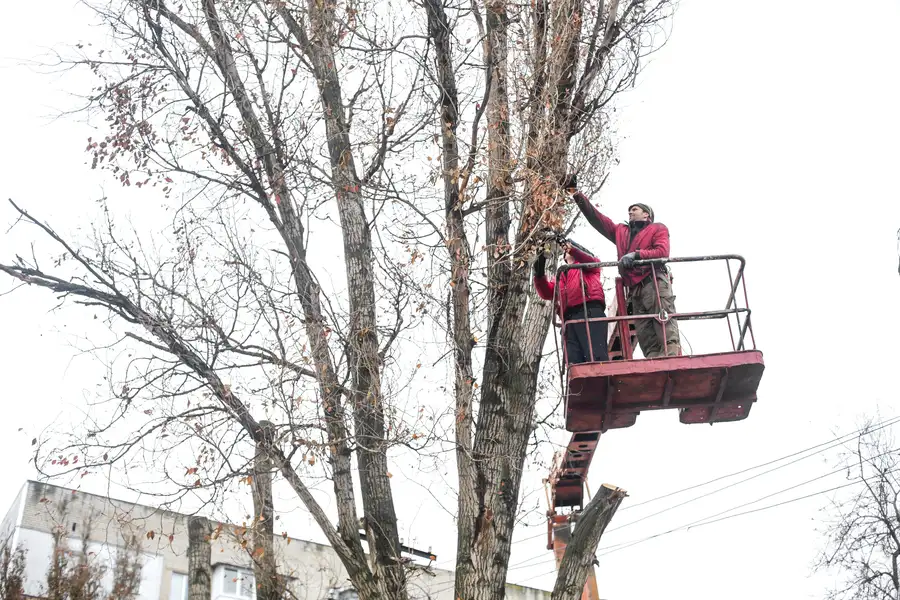
Some tree trimming tasks are simple. Small branches within reach can often be handled with the right tools. But tall trees or large limbs require skill and safety equipment.
If branches are near power lines, hanging over roofs, or growing close to structures, professional service is the safer choice. Professionals can also spot early signs of disease or decay that may not be obvious.
Seasonal inspections are helpful after strong storms. High winds can weaken limbs even if they do not fall right away. A trained eye can find hidden cracks before they cause damage.
Schedule the Right Care at the Right Time
Keeping up with seasonal tree trimming helps protect your home and property in Winter Haven, FL. At A&E Irrigation, we handle trimming, shaping, and seasonal tree care with safety and long-term health in mind. Call (863) 360-3215 to schedule a service visit or to set up a yearly maintenance plan with our team.